
Real-Time Affiliate Tracking: Why Casino Programs Can't Afford 24-Hour Delays
Most casino affiliate platforms update tracking data every 24 hours. That's not real-time. That's a postmortem.
Here's what actually happens when your tracking lags: fraudulent affiliates drain your budget for 18 hours before you notice the pattern. High-performing partners shift traffic to competitors because your reports show "pending" when theirs show "confirmed." Your optimization decisions are based on yesterday's reality while player behavior shifts hour by hour.
Real-time tracking isn't about fancy dashboards. It's about making decisions when they still matter - blocking suspicious sources before they cost you $8K, rewarding converting traffic before your affiliate tests another program, catching tracking discrepancies before your end-of-month reconciliation becomes a nightmare.
What Real-Time Actually Means in Affiliate Tracking
The industry throws "real-time" around like a marketing buzzword. Let's define what separates actual millisecond-level tracking from glorified hourly batches.
Data Latency That Matters
True real-time systems process events within 200-500 milliseconds of occurrence. A player registers through affiliate link ABC123 at 3:47:22 PM - your system logs it, attributes it, and updates all relevant reports by 3:47:23 PM. Not 3:48 PM. Not "within the hour." Immediately.
Why does one minute matter? Because your affiliate is watching their stats panel while optimizing campaigns. If they see conversions appear instantly, they scale that traffic source. If they see nothing for 20 minutes, they assume the tracking broke and move on.
What Gets Tracked in Real-Time
Complete casino affiliate tracking covers seven event types:
- Click registration: Affiliate link clicked, parameters captured (source, sub-ID, landing page)
- Registration attribution: Player creates account, matched to click within session or cookie window
- First deposit confirmation: Payment processed, CPA or hybrid commission triggered
- Ongoing activity: Every bet, game round, deposit, withdrawal logged for RevShare calculations
- Bonus usage: Tracking which referred players claim promos (affects net revenue calculations)
- Fraud indicators: Duplicate IPs, bot patterns, chargeback risks flagged immediately
- Commission status changes: From pending to approved to paid, with automatic postback notifications
Batch-processing systems might handle deposits in real-time but delay everything else by hours. That's not sufficient when you're running preventing fraud in affiliate tracking operations at scale.
The Revenue Impact of Instant Data Visibility
Let's talk dollars, not features. Real-time tracking directly affects three P&L lines.
Fraud Prevention That Actually Works
Manual review of suspicious affiliates after 24 hours is worthless. The damage is done. Real-time fraud detection catches problems during the attack - you see 47 registrations from the same IP block within 6 minutes and auto-pause that sub-ID immediately.
Our operators report 60-70% reduction in fraudulent payouts after implementing instant fraud filters. Not because the filters are smarter, but because they act before the fraudster completes their cycle.
Optimization While Traffic Is Still Flowing
Your top affiliate runs a Facebook campaign from 2-6 PM targeting German players. By 3 PM, real-time data shows that traffic converts at 8% on mobile slots but 2% on live dealer games. They shift budget toward slots pages immediately, doubling effective conversion rate for the remaining 3 hours.
With daily reporting, they wouldn't see this pattern until tomorrow - after wasting another $600 on the wrong landing pages.
Partner Confidence and Retention
Affiliates work with 8-12 casino programs simultaneously. The ones with transparent, instant tracking get priority traffic. The ones with "your stats will update overnight" get whatever's left over.
When affiliates trust your numbers because they match their own analytics in real-time, they scale faster. Our fastest-growing operator saw 40% increase in affiliate-driven deposits after switching to instant tracking - same affiliates, same commission structure, just better visibility.
Technical Requirements for Real-Time Casino Tracking
This isn't plug-and-play technology. Here's what actually powers millisecond-level tracking at scale.
Event Stream Processing Architecture
Traditional SQL databases can't handle 50,000 events per minute with sub-second query times. Real-time systems use event streaming platforms (think Kafka or Kinesis) that process data as continuous flows rather than batch jobs.
Every player action triggers an event - deposit, bet, win, withdrawal. These events get processed through multiple pipelines simultaneously: one for fraud checking, one for commission calculation, one for reporting aggregation. All in parallel, all in real-time.
Distributed Data Storage
Your tracking database needs to handle:
- Write-heavy traffic during peak hours (10K+ events per second)
- Complex aggregation queries for affiliate dashboards
- Historical data retention (3+ years for compliance)
- Geographic distribution for low-latency access globally
Systems that try to do this with a single MySQL instance collapse under load. Proper real-time tracking uses distributed databases (Cassandra, ScyllaDB) that scale horizontally when traffic spikes.
Caching Layers for Dashboard Performance
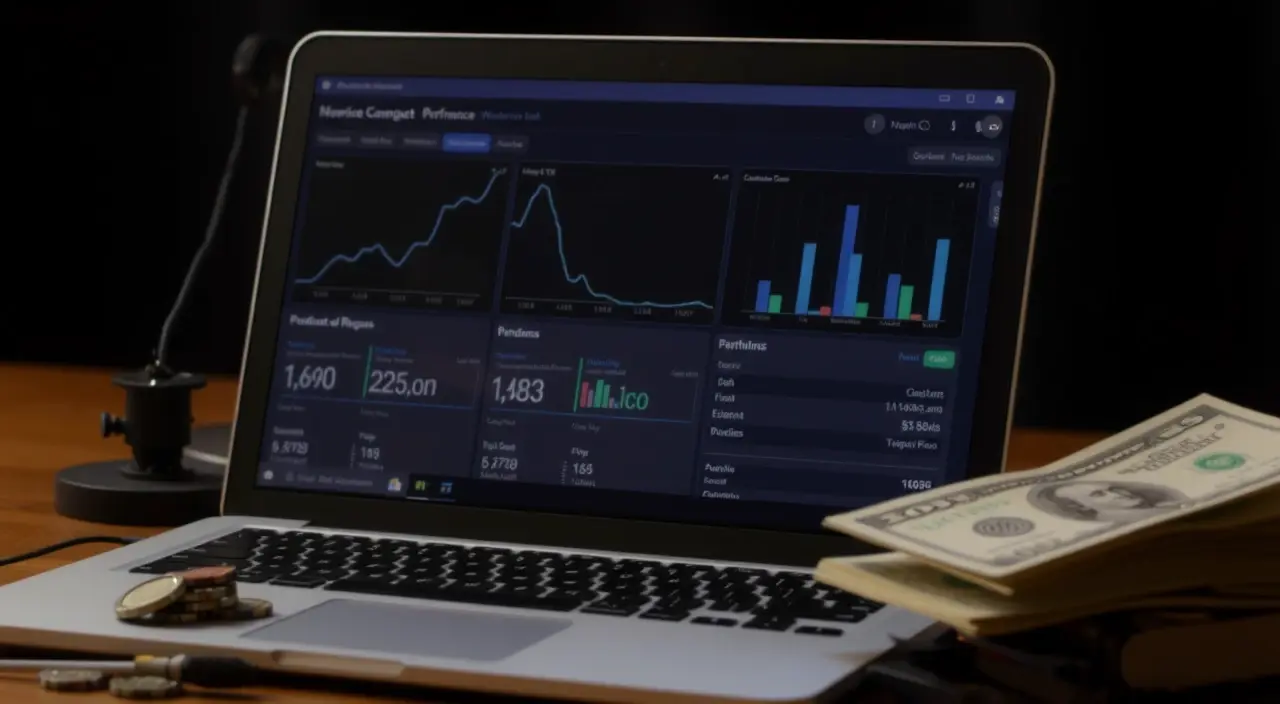
Real-time data collection is one challenge. Displaying it to 200 affiliates checking stats simultaneously is another. Smart platforms cache frequently accessed metrics (today's clicks, conversions, pending commissions) in Redis or Memcached with 60-second refresh cycles.
Affiliates get near-instant dashboard loads with data that's current within one minute - which feels real-time to humans while keeping server costs manageable.
Real-Time Fraud Detection in Action
Instant data visibility transforms fraud prevention from reactive cleanup to proactive blocking. Here's what changes.
Pattern Recognition During the Attack
Sophisticated fraud doesn't announce itself - no affiliate sends you 500 registrations from 123.45.67.89. They rotate IPs, vary timing, mix bot traffic with real users.
Real-time systems detect subtle anomalies: sub-ID #47392 normally converts at 3% but suddenly hits 12% with players who all deposit exactly $50 and play the same three slots. That pattern takes 40-60 registrations to establish - which happens over 3-4 hours, not 3-4 days.
Instant detection lets you pause that sub-ID while investigating, rather than paying out $2,400 in commissions and trying to claw it back later.
Automated Response Rules
Pre-configured rules trigger automatic actions without human review:
- More than 5 registrations from same IP in 10 minutes → auto-pause affiliate sub-ID
- Conversion rate exceeds 15% (when network average is 4%) → flag for manual review
- Player deposits, claims max bonus, never plays → mark as bonus abuse, hold commission
- Chargeback rate above 8% from specific traffic source → block future traffic from that sub-ID
These rules only work when data flows instantly. Batch processing can't evaluate "5 registrations in 10 minutes" because it doesn't see events until the batch runs.
Integration with Your Casino Platform
Real-time tracking requires tight integration with your gaming platform's player management system. Here's where most implementations break down.
Postback APIs and Webhooks
Your casino platform needs to send event notifications the moment they happen - not when a scheduled job runs. Modern integration uses webhooks: player deposits → casino platform fires HTTP POST to tracking system within 200ms → tracking system processes, attributes to affiliate, updates all reports.
Platforms that only offer CSV exports or scheduled API pulls can't support real-time tracking. Period. When evaluating choosing the right tracking software, webhook support is non-negotiable.
Handling Platform Downtime
Even the best systems have outages. Real-time tracking needs queue-based reliability - if your tracking server is down for 3 minutes, all events get queued and processed immediately when it comes back online, maintaining chronological order.
Without message queuing, those 3 minutes of data disappear forever. Your affiliates see gaps in their stats, conversions get attributed wrong, fraud goes undetected.
What Real Operators See After Switching
Let's skip the theoretical benefits and talk actual results from casino programs running real-time tracking for 6+ months.
Faster fraud detection: Average time to identify suspicious patterns dropped from 2.8 days to 4.7 hours. One operator caught a cookie-stuffing scheme within 90 minutes that would have cost them $14K under their old system.
Higher affiliate satisfaction scores: Support tickets about "missing conversions" decreased 73% because affiliates could verify tracking themselves in real-time rather than waiting for manual investigation.
Better optimization cycles: Top-performing affiliates increased traffic volume 35% on average because they could test and iterate multiple times per day rather than waiting for next-day reports.
Reduced payment disputes: End-of-month reconciliation became trivial when both sides could monitor the same real-time data throughout the month. Disputed commissions dropped from 18% to under 3%.
Common Misconceptions About Real-Time Tracking
The marketing hype creates unrealistic expectations. Let's correct three common misunderstandings.
"Real-Time Means Expensive Server Costs"
Properly architected systems scale costs linearly with traffic - if you're processing 10M events per month, you're not paying for infrastructure to handle 100M. Cloud-based solutions auto-scale resources during peak hours and scale down overnight.
The real cost driver isn't real-time processing, it's inefficient database design. A well-optimized streaming architecture often costs less than batch systems that need massive servers to crunch all data at once during daily jobs.
"Affiliates Don't Actually Need Instant Data"
Wrong. Your best affiliates - the ones driving 60-70% of quality traffic - absolutely check stats multiple times per day. They're running paid campaigns with hourly budgets. They need to know immediately if traffic converts or if they should pause and adjust.
Mediocre affiliates might not care. But you're not building systems for mediocre performance.
"Real-Time Tracking Is Only for Large Operators"
Scale matters, but not how you think. A small casino with 20 affiliates still loses money to fraud that takes 24 hours to detect. They still lose top partners who prefer programs with better transparency. They still make optimization decisions based on stale data.
Real-time tracking delivers proportional value - you're not getting enterprise-scale benefits, but you're avoiding enterprise-scale problems as you grow.
Implementing Real-Time Tracking Without Breaking Everything
Switching from batch processing to real-time systems is a significant technical change. Here's the migration path that doesn't destroy your current program.
Phase 1: Parallel Processing
Run real-time tracking alongside your existing system for 30 days. Affiliates still see the old dashboard while you validate data accuracy, performance, and integration stability. Compare daily totals between systems - they should match within 0.5%.
Phase 2: Limited Rollout
Switch your top 10 affiliates to real-time dashboards while keeping everyone else on the old system. These power users will immediately spot any issues and provide feedback. Their traffic volume stress-tests your infrastructure under real conditions.
Phase 3: Full Migration
Once you've confirmed accuracy and stability, migrate remaining affiliates in waves over 2-3 weeks. Keep the old system running read-only for one additional month in case you need to reference historical data during the transition.
This phased approach prevents the scenario where you flip a switch, everything breaks, and you have 200 angry affiliates while your developer frantically rolls back changes at 2 AM.
Real-Time Tracking as Competitive Advantage
Here's the strategic reality: in 18-24 months, real-time tracking won't be a differentiator. It'll be table stakes. Every iGaming affiliate tracking solutions provider will claim to offer it (though implementation quality will vary wildly).
Right now, you have a 12-18 month window where genuine real-time capabilities give you a recruitment and retention advantage with top-tier affiliates. The programs that implement this technology first will lock in the best partners. The ones that wait will be competing for whoever's left over.
Your choice isn't really "should we do real-time tracking." It's "do we build this advantage now while it matters, or play catch-up later when everyone else already has it."
Most operators who compare top affiliate software platforms eventually realize that real-time tracking isn't just a feature - it's the foundation that makes everything else work better. Fraud prevention only works when it's instant. Optimization only matters when it's based on current data. Partner trust only scales when your numbers are transparent and verifiable in real-time.
The technical complexity is real. The migration effort is significant. But the cost of staying on batch-processing systems while your competitors move forward is higher.